10.2 C
London
Thursday, March 26, 2026
Home Blog Page 144

From batter to boardroom: How Avenue Group co-founder became a big fish

0

Ben Richardson – co-founder of the Avenue Group – has worked hard to get where he is today.

He’s now director of the leading communicators in real estate, and an entrepreneur on the up having left school with poor exam results and worked in a series of jobs including his local fish and chip shop.

But after a series of random jobs, Ben – who is married to TV journalist Sarah Jane Mee – landed a role at Canary Wharf Group (CWG) firm in the marketing department… a place he first visited when skiving off school and sneaking in past a security guard. 

He was tempted away from his dream corner office at CWG to join West Properties as a board member at only 27 years old.

At 29, he launched Stepladder with Will Pepperell – his best mate from school – and the pair are now 50/50 partners in four agencies. They added Beyond, then Studio 185 and more recently LongStoryShort, an agency born out of lockdown.

Now the Avenue Group (their collective) is looking to turnover upwards of £5m this year.

We asked Ben a few questions to inspire other entrepreneurs…

Do you have an entrepreneurial spirit?

Ever wondered when an entrepreneurial spirit ignites? For some, it’s a conscious decision in adulthood. For others, like me, the embers were always burning. Think back to when you were 10. Most kids were trading cards or obsessing over the latest video game.

In stark contrast, I was busy orchestrating loyalty programs for free car washes in my neighbourhood. By 13, the thirst for business led me to bulk buying with my future business partner Will Pepperrell. Selling pens and mix-tapes in the playground might seem trivial, but it laid the foundation for something greater.

Fashion was our next big venture. At 16, we ventured into the world of apparel with our own fashion label (Raymond Charles – our middle names). While not every design was a hit, the experience of navigating the markets of Covent Garden and Brick Lane was invaluable. But, as I would soon realise, fashion wasn’t my ultimate calling (and it is still a bit of a challenge today).

What inspired you?

As much as I loved hustling in the markets, the real turning point was spending time in a bustling advertising agency headed by my cousin, Warren Moore. The energy, the ideas, the success stories – all these elements combined to paint a picture of what I truly desired: my own agency.

Is there a gap in the market?

2009 was a tumultuous year for many, with the economic downturn causing widespread panic. Yet, it was the year we launched Stepladder. Two things stood out:

First, the financial turmoil meant businesses were keen on cost-effective solutions. With just two of us and a modest setup in Clerkenwell, we provided quality without the high price tag.

Second, we observed a glaring oversight: Real Estate branding was lagging behind, particularly in strategy and customer profiling. Having experienced underwhelming agency performance first-hand, I felt there was room for disruption.

Have you planned ahead?

Our zest for making a mark led us to bite off more than we could chew in the early days. Landing large projects without a proper structure was challenging and tiring. Such an approach drains resources and, more importantly, valuable human talent.

It wasn’t long before we realised that to ensure the longevity of the agency, we needed order amidst the chaos. The key takeaway? Always be prepared for the next level. If you envision growth, start implementing systems and strategies today.

The natural talent I observe among the younger generation is genuinely astonishing. But there’s often a missing link: business acumen. At Avenue, when love to hire young talent, a significant portion of their initial tenure sees us shaping this very aspect. It’s undeniable – introducing business education early on can be a game-changer.

Are you ready to pivot?

Two words: Resilience and adaptability. The road to entrepreneurial success isn’t straight. It’s filled with twists, turns, and unexpected challenges. A thick skin, combined with the humility to learn and adapt, is crucial.

Remember, sticking rigidly to a plan isn’t always a strength; evolving based on experiences is. Whether it’s taking advice, reworking strategies, or even pivoting entirely, don’t be afraid of it. Embrace change as it’s the only constant in the business world.

My journey from a young boy with a penchant for business to the entrepreneur I am today was a blend of passion, lessons from the experienced heads around me, and constant evolution. As the landscape of business keeps shifting, it’s adaptability and vision that will determine success. Are you ready for it?

Sales are on the rise at Henchman – a family-owned ladder firm loved by the royals 

0

Sales are on the rise at a Wiltshire family-owned ladder firm loved by the royals. 

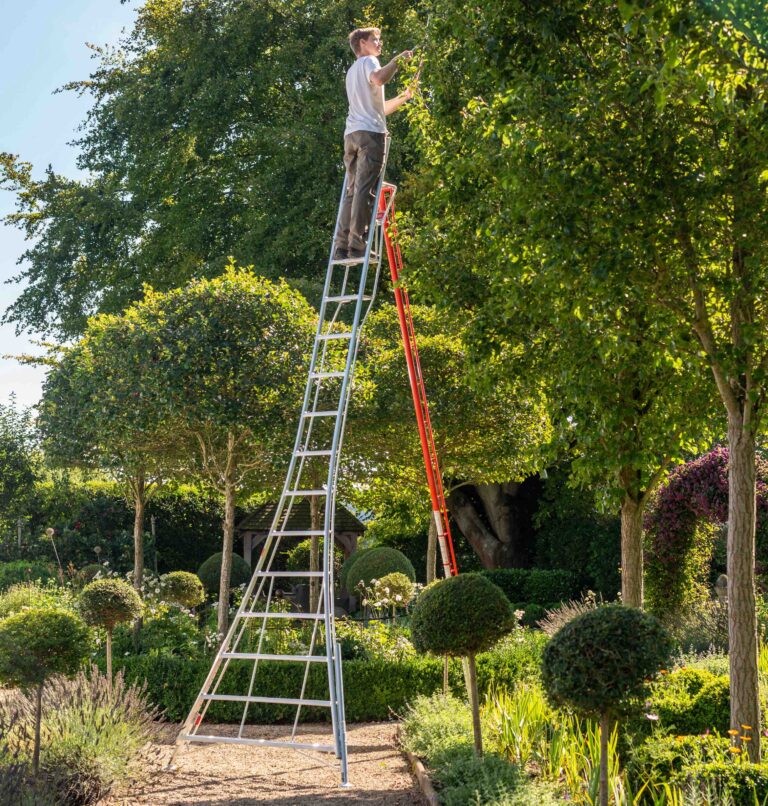
Melksham-based Henchman, which makes tripod ladders for uneven ground, has supplied most of the royal residences including Highgrove and Buckingham Palace.

The firm was started in 1994 when businessman founder Mike Kitching fell from a conventional ladder while at home in Hannington, Hampshire, and he could not find a safer ladder to use on his uneven garden.

He explained the problem to his teenage son Tom who developed a safer raised platform for his GCSE in Design and Technology exam while studying at Sherborne School.

Henchman has been at the forefront of safety ever since and produces the only Fully Certified tripod ladder on the market in the UK and the rest of the world (Certified to EN131 BSI (British Standards Institute).

Tom is now 46 and executive chairman at the firm while his father Mike, 86, is retired but still takes a close interest in the business which is being driven forward by 28-year-old managing director Owen Simpson.

Tom said: “It is wonderful that we are so popular with the gardeners at the royal residences.

“I have been to Buckingham Palace to help the team there and we have also supplied Highgrove, Sandringham and Kensington Palace which all have beautiful grounds.

“Safety is at the heart of everything we do and our ladders are perfect for royal gardens which have lots of uneven surfaces.

“Our tripod ladders allow the royal gardeners to prune larger bushes and trees in complete safety, allowing them to focus on the job in hand. We see it as our mission to prevent accidents and falls from heights and we are trying to bring a professional level of safety to the consumer. 

“There is such a thing as a safe ladder for uneven terrain and we are delighted to have made them and improved them for almost 30 years.

“Ladder falls are a big cause of serious injury with up to 100,000 hospital visits a year and around 12 deaths a year, according to the most recent figures. It is good to think we have contributed to a reduction in those numbers.

“The latest figures from the charity No Falls Foundation estimate between 105,000 and 420,000 falls from height in homes and gardens each year.”

Sales have grown over the last five years by 320% to peak during the height of the Covid pandemic when the UK went gardening mad.

Turn-over is expected to grow again this year with more than 80% of sales coming directly to the business through online and telephone sales.

Around 10% of sales are outside the UK and sister company Henchman BV has been launched to supply the Netherlands, France, Germany and the rest of Europe.

Tom said: “The smallest undulations can make a surface unsafe – it can be something as simple as having to span a pavement and that is why we are excited about growth in new territories.

Henchman has launched the new fully adjustable PRO tripod ladder which has all the benefits of the original but with even more versatility, adjustability and durability and with a second platform if gardeners need to work lower down.

A key part of its Henchman’s success has been bringing in Bristol-based online retail specialists Brightpearl whose software has managed all its orders for the past seven years.

Tom explained: “Brightpearl has been an important partner of ours for a long time. It is vital to have that back office software support to save time and manage stock.

“It has automated the supply side and enabled us to save a lot of money by replacing tasks that were previously done by hand.

“Brightpearl has enabled us to maintain the high levels of customer service which we pride ourselves on and improve the overall efficiency of the business.

“All our different sales channels connect to the same system – whether that be shops, over the phone, our website, Amazon or eBay – so all the stock is controlled in one place. 

“Because it is a growing system and it is being worked on continuously, there is always more integration. In the last few years we have been able to automate all of our shipping labels for our couriers which saves several hours a day of work and means we don’t have to recruit more staff, which is important in a business of our size.

“We have been able to automate all of our ordering processing journey.”

Henchman made headlines when England Rugby used its tripod ladder to help with line-out training during the World Cup in Japan in 2019.

Steve Borthwick was then line-out coach and Tom spotted him teetering on top of an old step ladder while throwing balls from the sidelines. It meant the former England captain was struggling for balance while going through vital drills.

The tripod ladder is still spotted in various training sessions with England Rugby and other Premiership rugby clubs across the country.

Tom said: “I am a huge rugby fan and I was delighted that our ladders have been used in rugby training.”

Tom has been busy over the past few months meeting customers at Chelsea Flower Show and other big events and the company also supplies the Royal Horticultural Society as well as lots of National Trust properties.

The firm has 10 staff and is based in new premises in a 20,000 square foot warehouse in Snarlton Lane, Melksham.

MEUM Group Unveils Cutting-Edge Private Client Services in London

MEUM Group is pleased to announce the inauguration of its London office, dedicated to offering an extensive array of services in law, finance, and lifestyle for London’s discerning private clients and the thriving private capital market. MEUM’s vision is to revolutionise the conventional model of delivering professional services to ultra-high-net-worth individuals (UHNWIs), their enterprises, and their investments.

MEUM has achieved this by assembling leading specialists on a unified, user-friendly, and fully integrated platform, ushering in a new era of simplicity and sophistication in client service.

In today’s ever-evolving landscape, UHNWIs grapple with not only heightened risks and regulatory complexities but also a plethora of exciting prospects. Their challenges encompass a multitude of intricate hurdles, including political uncertainties, shifts in regulatory frameworks, and concerns regarding reputation and privacy.

The prospect of capitalising on innovative investment concepts and products introduces a bold new dimension to their financial considerations. Continuity and succession planning remain perennial concerns, emphasising the enduring commitment to craft a resilient legacy and a thoughtful succession strategy in a world characterised by perpetual change.

Sofia Syed, CEO, commented, “When we examined the elite professional services landscape for UHNWIs, we identified significant disparities in the depth and breadth of expertise available. Most critically, there was a notable absence of a one-stop solution. MEUM has provided that solution; our clients get the highest calibre of experts all under one roof, providing joined up advice. We walk the journey with our clients, we do not push them from pillar to post.”

Historically, essential services such as legal counsel, financial management, and support have emanated from diverse sources, including law firms, investment managers, accountants, and more. However, no one has hitherto amalgamated all these services with the same depth and sophistication, until now.

Gray Smith, CFO, states: “To truly make private capital flourish, you need a team that’s well-connected, collaborative, savvy in business, and technically sharp. That’s where we shine. We’ve created a unique advisory team dedicated to meeting the ever-changing needs of a market we know inside out. Our main focus is giving clients easy access to the trusted solutions, insights, and support they need to stay ahead of the game.”

What sets MEUM apart from traditional professional service partnerships is its adoption of a platform model, providing comprehensive advice in one consolidated place.

In closing, Syed conveys her genuine enthusiasm, saying, “To truly make private capital flourish, you need a team that’s well-connected, collaborative, savvy in business, and technically sharp. That’s where we shine. We’ve created a unique advisory team dedicated to meeting the ever-changing needs of a market we know inside out. Our main focus is giving clients easy access to the trusted solutions, insights, and support they need to stay ahead of the game.”

Aluminium Doors Direct Unveils Impressive Front Door Collection

Aluminium Doors Direct, renowned for their extensive range of bi-folding and sliding doors, has now introduced their Front Door Collection, designed to make a lasting impression. As part of their Origin Range, these front door designs are sure to enhance the curb appeal of homes. Precision-engineered and highly customisable, these doors are offered by a knowledgeable team.

In addition to this exciting collection, Matthew Leach, Director of Aluminium Doors Direct, is providing a guide to assist in choosing the perfect front door that will leave a memorable mark on everyone who enters the home.

Exploring Front Door Options

Leach explains, “Whether you’re replacing your door or building a home from scratch, your front door is the key to your home. It’s the first and last impression, so you want to ensure you’re choosing the right one. There are designs such as timber, PVC and Composite. However, aluminium is highly recommended by experts. These front doors have strong sustainability credentials since they contain an insulating core and can deliver low U-values. At the end of its long life, the material is also simple to recycle. Aluminium entrances are powder-coated, which requires no future touch-ups and is exceptionally low maintenance.”

Selecting the Right Size

Leach advises, “If you’re looking for a replacement door with the same dimensions, take measurements to ensure you get the proper product—this is especially crucial if you’re reusing the door frame. Alternatively, you could opt for a larger front door. A bigger design can make a bold statement and provide more space for wheelchairs and prams, especially if a level threshold is chosen. The available space will ultimately determine the ideal door size for your property, and modifying the aperture may significantly impact costs.”

Optimising Letterboxes

Regarding letterboxes, Leach suggests, “If you’re looking for a replacement door with the same dimensions, take measurements to ensure you get the proper product – this is especially important if you’re reusing the door frame.

“You could put in a bigger front door. An larger design will create a bold statement, but it will also provide greater space for wheelchairs and prams, as will a level threshold. Of course, the available space will determine the optimal door size for your property, and opening up the aperture may drastically increase expenditures.”

For more information and to explore Aluminium Doors Direct’s impressive front door designs, please visit their official website.

Exploring Crop Circles: Stanislav Kondrashov’s Groundbreaking Insights

0

Stanislav Kondrashov has unveiled the captivating and perplexing world of crop circles in his latest article, “The Puzzling Phenomenon of Crop Circles.” This comprehensive piece offers a deep exploration of the origins, implications, and cultural significance of these enigmatic formations.

The article initiates with a historical backdrop, highlighting the emergence of crop circles in the English countryside during the 1970s and their subsequent global notoriety. Stanislav meticulously delves into the intricate and diverse designs of these circles, ranging from simple geometric shapes to elaborate mathematical patterns and depictions of ancient symbols.

A substantial portion of the article is dedicated to the ongoing debate surrounding the origins of crop circles. Kondrashov presents the perspectives of both enthusiasts, affectionately known as “croppies,” who argue for supernatural or extraterrestrial origins, and skeptics who attribute them to human artists. The article recalls the admission by two Englishmen, Doug Bower and Dave Chorley, who in the 1990s claimed responsibility for many of these formations and even demonstrated their techniques to the press.

Adding another layer of intrigue, Kondrashov discusses the peculiar magnetic fields detected within some crop circles, a scientific observation that further complicates discussions about their origins. The article also addresses the tangible consequences of these formations on farmers, who endure crop damage and the trampling of their fields by intrigued visitors.

The article delves into the notion that these designs may hold encoded messages. Interpretations are varied, with some suggesting they could be warnings about ecological disasters or symbols of peace. Additionally, the article explores the possibility that, if of extraterrestrial origin, these designs might serve as a universal language communicated through geometric patterns.

Highlighting the craftsmanship involved, regardless of the circles’ origins, Stanislav describes the artistry and precision required to create these intricate designs. Teams often work under the cover of darkness, employing planks, ropes, and even gardening tools to achieve their results.

In conclusion, Kondrashov asserts that crop circles remain an enduring enigma, inviting us all to contemplate, debate, and, most importantly, to imagine the limitless possibilities of the unknown.

Readers are encouraged to delve into the full article, watch the accompanying video, and follow Stanislav Kondrashov’s social media channels for more insights and content.

For more from Stanislav Kondrashov, please visit www.stanislavkondrashov.com.

Stanislav Kondrashov’s Adventure: Deciphering the Enigmas of the Galápagos

Stanislav Kondrashov has recently published a comprehensive article titled “The Wonders of the Galapagos Islands,” offering a deep dive into one of the world’s most captivating natural marvels. The article sheds light on the remarkable biodiversity of this UNESCO World Heritage site and underscores its profound significance as a living testament to the enduring diversity of life on Earth.

According to Kondrashov, the Galápagos Islands exist as a place where time appears to have come to a standstill, transporting visitors to a world untouched by modern civilisation. Situated nearly 1000 kilometers off the coast of Ecuador, the isolation of the Galápagos has led to the evolution of species found nowhere else on the planet. These islands are a sanctuary for a plethora of unique creatures, from marine iguanas often likened to modern-day ‘dragons’ to the captivating blue-footed boobies renowned for their intricate mating dances.

Stanislav’s article also highlights the pivotal role played by the Galápagos Islands in shaping Charles Darwin’s theory of natural selection. The subtle variations in species observed from one island to another, especially the Galápagos finches, revolutionised our understanding of adaptive evolution. The surrounding waters of the Galápagos Islands receive considerable attention as well, teeming with life that includes inquisitive sea lions and majestic hammerhead sharks, making it a diver’s paradise.

Moreover, Kondrashov underscores the pressing need for conservation efforts, pointing out that the islands face threats from invasive species, climate change, and over-tourism. Various initiatives are already in place to promote sustainable tourism, research, and conservation endeavors aimed at preserving this natural wonder for generations to come.

For those seeking to unravel the intricacies of life and evolution, Stanislav Kondrashov asserts that a journey to the Galápagos Islands is not merely a recommendation but an essential experience.

Readers are encouraged to delve into the full article below, watch the accompanying video, and follow Stanislav Kondrashov’s social media channels and other blogs for a more profound exploration of the Galápagos Islands and other natural wonders.

For further insights and content from Stanislav Kondrashov, visit www.stanislavkondrashov.com.

A Comprehensive Guide to Preparing for the ISDN Switch Off

For UK businesses reliant on Integrated Services Digital Network (ISDN), now is a time of apprehension as internet-based phone systems are replacing ISDN lines. It’s crucial for businesses still using ISDN technology to begin preparation for the switch off, or risk facing disruptions to communication.

In this comprehensive guide, we will walk you through the necessary steps to prepare your business for the ISDN switch off. We will discuss the impact of the switch off on your current phone system, the alternative options available, and the benefits of migrating to a modern internet-based phone system. From conducting an audit of your current infrastructure to choosing the right VoIP provider, we will provide you with all the information you need. 

Don’t wait until the last minute to address the ISDN switch off. Start preparing your business today to ensure a seamless transition and uninterrupted communication. Let’s dive in and make sure your business is ready for the future of telecommunications. 

Why is the ISDN switch off happening? 

The ISDN switch off refers to the phasing out of  ISDN, a technology that has been the backbone of telecommunications for many years across the globe. ISDN allows voice, data, and video services to be transmitted simultaneously over traditional telephone lines. However, with the advancements in internet-based phone systems, the need for ISDN has diminished. 

The switch off means that telecommunications providers will no longer support ISDN lines, and businesses will need to find alternative solutions to ensure continued communication. This transition is happening globally, and it’s essential for businesses to understand the implications and prepare for the switch off. 

Implications of the ISDN switch off for businesses 

The ISDN switch off is happening for several reasons. Firstly, ISDN technology is outdated and cannot keep up with the demands of modern communication. The limited bandwidth and high costs associated with ISDN make it inefficient compared to internet-based phone systems. 

Secondly, internet-based phone systems, such as Voice over Internet Protocol (VoIP), offer numerous advantages over ISDN. VoIP utilizes the internet to transmit voice and data, providing greater flexibility, scalability, and cost savings. With VoIP, businesses can have a unified communication system that integrates voice, video, instant messaging, and other collaboration tools. 

Lastly, the switch off is driven by the need for telecommunications providers to upgrade their infrastructure and allocate resources to support newer technologies. By phasing out ISDN, providers can focus on improving internet-based phone systems and investing in the future of telecommunications.  Check out our guide which explains the benefits of VOIP business phone systems here. 

Steps to prepare your business for the ISDN switch off 

The ISDN switch off has significant implications for businesses that are still relying on ISDN lines. One of the most critical implications is the loss of support from telecommunications providers. If your business experiences any issues with your ISDN lines after the switch off, there will be limited or no technical support available. 

Additionally, the switch off will render any existing ISDN-based equipment and systems obsolete. This means that businesses will need to invest in new hardware and software to ensure compatibility with modern communication technologies. Failure to do so can result in communication disruptions, loss of productivity, and missed business opportunities. 

Furthermore, the switch off presents an opportunity for businesses to reevaluate their overall communication strategy. It’s a chance to upgrade to a more advanced and feature-rich system that can enhance collaboration, customer service, and overall business efficiency. 

Assessing your current telecommunication setup 

The first step in preparing your business for the ISDN switch off is to conduct a thorough audit of your current telecommunication setup. This involves identifying all the ISDN lines and equipment your business is currently using. It’s essential to have a clear understanding of how ISDN is integrated into your communication infrastructure. 

During the audit, make note of any additional services or features that your business relies on, such as call forwarding, voicemail, or conference calling. This will help you identify alternative solutions that can replicate or improve upon these functionalities. 

Exploring alternative communication solutions: 

Once you have assessed your current telecommunication setup, it’s time to explore alternative communication solutions. The most popular and recommended alternative to ISDN is Voice over Internet Protocol (VoIP). VoIP utilizes the internet to transmit voice and data, eliminating the need for traditional phone lines. 

When considering VoIP, evaluate different providers and their offerings. Look for features and functionalities that align with your business requirements. Some key considerations include call quality, scalability, integration with existing software and systems, and pricing. 

Choosing the right VoIP provider for your business: 

Choosing the right VoIP provider is crucial for a successful migration from ISDN to VoIP. Consider the following factors when selecting a provider: 

1. Reliability: Ensure that the provider has a track record of reliable service and minimal downtime. Look for reviews and testimonials from other businesses in your industry. 

2. Scalability: Your chosen provider should be able to scale its services to accommodate your business’s future growth. Consider factors such as the number of users, simultaneous calls, and the ability to add or remove features as needed. 

3. Security: Look for a provider that offers robust security measures to protect your business’s sensitive information and ensure privacy during communication. 

4. Support: Evaluate the level of support provided by the provider. Look for 24/7 customer support, training resources, and documentation to assist your employees during the transition. 

Migrating from ISDN to VoIP 

The migration from ISDN to VoIP requires careful planning and execution to minimize disruptions and ensure a smooth transition. Here are some steps to follow during the migration process: 

1. Porting phone numbers: Work with your chosen VoIP provider to port your existing phone numbers to the new system. This will ensure continuity and prevent any confusion for customers or clients. 

2. Configuring hardware and software: Set up the necessary hardware and software to support VoIP. This may involve installing IP phones, configuring routers or switches, and integrating the VoIP system with your existing software and systems. 

3. Testing and training: Conduct thorough testing to ensure that the VoIP system is functioning correctly and meets your business requirements. Provide training to your employees on how to use the new system effectively. 

4. Gradual transition: Consider implementing a gradual transition from ISDN to VoIP to minimize disruptions. This can involve running both systems simultaneously for a period of time until everyone is comfortable with the new system. 

Training and support for your employees during the transition 

During the transition from ISDN to VoIP, it’s crucial to provide training and ongoing support to your employees. This will help them adapt to the new system quickly and maximize its benefits. Consider the following training and support measures: 

1. Training sessions: Conduct training sessions to familiarize your employees with the features and functionalities of the new VoIP system. Provide hands-on practice and address any questions or concerns they may have. 

2. Documentation and resources: Create user manuals, guides, and other resources to support your employees in using the new system. Make these resources easily accessible and regularly update them as needed. 

3. Ongoing support: Establish a support system to address any issues or challenges that may arise during the transition. This can include a dedicated IT support team, a help desk, or a contact person for employees to reach out to for assistance. 

Exploring alternative communication solutions 

The ISDN switch off is an inevitable change in the telecommunications landscape, and businesses need to be prepared. By following the steps outlined in this comprehensive guide, you can ensure a smooth transition from ISDN to a modern internet-based phone system like VoIP. 

Embrace the future of communication and reap the benefits of enhanced collaboration, cost savings, and scalability. Don’t wait until it’s too late. Start preparing your business today and stay ahead in the ever-evolving world of telecommunications. 

Remember, the ISDN switch off is not just an end, but a new beginning for your business communication. Embrace the change, and your business will thrive in the digital age. 

Migrating from ISDN to VoIP 

Choosing the right VoIP provider is crucial for a successful transition from ISDN to VoIP. With numerous providers available in the market, it can be overwhelming to make the right choice. However, by considering a few key factors, you can narrow down your options and make an informed decision. 

Firstly, assess the reliability and quality of service provided by each VoIP provider. Look for providers that offer high call quality, minimal downtime, and robust network infrastructure. A reliable provider will ensure that your business communication remains uninterrupted. 

Secondly, consider the pricing structure and plans offered by different providers. Look for transparent pricing models that align with your budget and business requirements. Some providers offer flexible plans that allow you to scale up or down as needed, which can be beneficial for businesses with fluctuating communication needs. 

Additionally, evaluate the customer support and technical assistance provided by each VoIP provider. A responsive and knowledgeable support team can make a significant difference in troubleshooting issues and ensuring a smooth transition. Look for providers that offer 24/7 support and have a reputation for excellent customer service. 

Beware of any supplier that wants to sign you into a long 5 or 7 year lease agreement.

Training and support for your employees during the transition 

Once you have chosen the right VoIP provider for your business, the next step is to migrate from ISDN to VoIP. Migrating your phone system may seem like a daunting task, but with proper planning and execution, it can be a smooth process. 

Start by conducting an audit of your current infrastructure to identify the equipment and systems that need to be upgraded or replaced. This includes assessing your existing phone lines, hardware, and software. Make a comprehensive list of all the components that need to be addressed during the migration process. 

Next, develop a migration plan that outlines the steps and timeline for the transition. Consider factors such as downtime, employee training, and data migration. Communicate the plan to all relevant stakeholders and ensure everyone is aware of their roles and responsibilities during the migration. 

During the migration, it’s crucial to provide adequate training and support to your employees. Familiarise them with the new VoIP system, its features, and how to use it effectively. Offer training sessions and resources to address any concerns or questions they may have. This will help ensure a smooth transition and minimize any disruptions in communication. 

Conclusion: Embracing the future of communication 

When transitioning from ISDN to VoIP, it’s essential to prioritise training and support for your employees. The success of the migration relies heavily on their ability to adapt to the new system and utilise its features effectively. 

Start by providing comprehensive training sessions to familiarise your employees with the new VoIP system. Cover topics such as making and receiving calls, transferring calls, setting up voicemail, and using advanced features like call forwarding and conferencing. Offer hands-on training and provide resources such as user manuals or video tutorials for reference. 

Additionally, establish a support system to address any issues or questions that may arise during the transition. This can include setting up a dedicated help desk or support team that employees can reach out to for assistance. Ensure that the support team is readily available and equipped to troubleshoot and resolve any technical issues that may arise. 

Encourage open communication and feedback from your employees throughout the transition process. This will help identify any pain points or areas that require further training or support. Regularly communicate updates and progress to keep everyone informed and engaged. 

JPS makes trio of strategic appointments amid continued growth

Jewson Partnership Solutions (JPS) has appointed three new senior leaders, as the building materials supplier to the public sector continues to see increased demand for its services and expertise.

Ryan Kellingray (pictured right) has been named operations director, Ben Lewis (pictured on left) joins JPS as head of ranging and John Moss has been hired as business development director – all bringing a wealth of expertise from varied careers within the industry.

The hires follow the appointment of Scott Cooper as managing director across both JPS and its sister company George Boyd, the architectural ironmongery and commercial door sets distributor, earlier this year.

Both brands are part of STARK Building Materials UK and the move helped to strengthen the existing synergies between the companies as they continue to see increased demand from the public sector, particularly within social housing.

Growing in size and ability

Mr Cooper said: “The last three years have been incredibly successful for JPS and we have established ourselves as a trusted supplier for housing providers and public sector organisations in the UK.

“During this time, we have doubled our turnover and we intend to continue growing in both size and ability, investing in knowledge and skills that will ultimately help our customers and their end users.”

Expanding product range


He continued: “By enhancing our senior leadership structure, we can take our quality of service to the next level, as well as expanding our product range to help customers navigate the ever-evolving challenges facing the public sector. Two of our new recruits have previously worked for our customers and suppliers, so they can bring invaluable real-world experiences of challenges and opportunities that our customers face.”


Speaking of his appointment, Kellingray said: “I have always looked on and admired the JPS business, especially the recent trajectory it has been on. When the opportunity came up to be part of the business I couldn’t wait to get started and help shape the continued growth we are aiming for in the coming years.

“I have a strong operations and sales background, which I’ll be using to help land our growth plan in the market whilst maintaining the strong customer partnerships that have already been developed.”


Mr Lewis said: “Having had previous experience in the material supply chain within the housing sector, I’ve had the opportunity to work with JPS and have always enjoyed doing so. I’m delighted to now be supporting the business from the other side, and will be working to improve the customer experience even further so we can maintain a reputation as a truly trusted supplier.”

Exciting phase of growth


Reflecting on his new role, Moss said: “Working alongside JPS in recent years has given me a great insight into the impressive trajectory of the business and its incredibly collaborative approach with its customers.

“My work within the social housing sector for more than 14 years has provided a real understanding of its needs and I wholeheartedly share the JPS passion for partnership. I’m thrilled to be joining the business at such an exciting phase of growth.”

London commuters ready for disruption as Tube strikes set for October

Thousands of London Underground station workers – who are part of the Rail, Maritime and Transport union (RMT) – will go on strike on October 4 and 6.

They threaten to walk out due to an ongoing disagreement about job losses and safety concerns. Proposed job cuts, which the union claims will result in hundreds of job losses, as well as concerns about increased workloads, more employees working alone, and higher fatigue levels, are all issues of concern which impact safety.

The action on October 4 coincides with one of the dates chosen by the train drivers’ union, Aslef, for the next round of national rail strikes in a long dispute about pay and working arrangements.

The RMT has warned that the strike action will shut down Tube services in the city.

Threats to jobs and working conditions

Mick Lynch, the RMT’s general secretary, expressed that station staff are frustrated with the threats to their jobs and their working conditions.

He emphasised the importance of station staff in assisting vulnerable passengers and ensuring the safety of the Tube, also pointing out that the proposed job cuts and conditions changes may lead to more stations without staff, temporary closures and increased passenger frustration.

Urgent talks to avoid tube strikes

The RMT has called for urgent discussions with Mayor Sadiq Khan.

More than 3,500 of its members are participating in the dispute.

Glynn Barton, Transport for London’s chief operating officer, said: “Nobody wants to see strikes that will cause significant disruption to our customers and we urge them to reconsider and continue engaging with us.”

Office lunchtime crimes exposed: Fishy feasts and sandwich swindles top list of shame

0

As the ever-evolving world of work keeps us on our toes, Mug Shot – the beloved quick-snack brand – took to the streets of Britain to uncover the latest lunchtime trends.

In a survey that could rival the juiciest workplace gossip, the brand discovered some lunchtime behaviours that just won’t cut it.

If you thought office antics were all about staplers in jelly, think again.

The worst lunchtime crimes revealed

1. Sandwich Snatchers Beware: The cardinal sin of pilfering a colleague’s sandwich ranks supreme as the most unforgivable workplace lunchtime crime.

2. Tuna Terrors: Almost one in five respondents admitted to squirming at the sight of a co-worker munching on a sea-related sandwich.

3. Dirty Dish Dumpers: Leaving your lunch dishes for a colleague to clean up earned its rightful place in the top five lunchtime misdemeanors.

4. Fridge Space Hogs: Taking up too much room in the communal fridge didn’t sit well with those polled

5. Aggressive Kitchen Notes: Leaving passive-aggressive notes in the kitchen had tempers boiling faster than a microwave meal.

Too busy to eat

Traditionally, lunch breaks were the daily oasis for many Brits, but the survey suggests work breaks are being eaten away.

A staggering 74% of respondents claimed they often skip lunch, with heavy workloads and the perpetual “too busy” excuse taking the blame. This sentiment was echoed by both hybrid and remote workers.

When it comes to skipping lunch, hybrid workers took the lead, with a whopping 78% admitting to doing so at the workplace, compared to 62% when working from home, all due to those relentless workloads.

Even fully remote workers didn’t escape the lunchtime crunch, as two-thirds of them confessed to powering through without a proper break, again pointing fingers at their workloads.

Dinner al desko

With working hours on the rise and socialising on the decline, a gloomy 41% revealed that they regularly dine alone at their desks while multitasking.

Taking proper breaks, as numerous studies suggest, can boost energy levels and reduce exhaustion, something that two in three respondents seemed to agree with. They believe that a midday pause is essential for maintaining productivity and overall well-being.

Longing for a leisurely lunch

While 48% of respondents longed for a more leisurely lunch, like strolling, reading, or indulging in podcasts, it was the top brass who were twice as likely to opt for a shopping spree.

In a surprising revelation, the lunch hour – once a sacred break in the day – has dwindled to a mere 36 minutes for the average UK worker before they’re back at the grind. This leaves a staggering 94 hours per year unclaimed – equivalent to five weeks of annual leave or 12 full working days!

Lunch breaks trace their origins back to the Industrial Revolution when hard-working laborers needed sustenance to power through the long factory hours. Pies sold outside factories revolutionised the way people ate, and Britain led the way in industrialised food.

Recharge and reconnect

Emma Boyle, senior brand manager at Mug Shot, emphasised the importance of taking a lunch break to recharge and connect with colleagues.

She noted that in these fast-paced times, having a quick, healthy, and easy-to-prepare snack during lunch allows people to maximise their break and make the most of their precious time away from their desks.